



Psoriatic arthritis is a chronic inflammatory disease that typically occurs in people who have psoriasis. In this condition, the body’s immune system mistakenly attacks the joints and skin, causing inflammation, pain, swelling, and joint stiffness, as well as red, itchy, scaly patches on the skin. Psoriatic arthritis can manifest in various forms, and its severity varies among individuals. It is usually treated with anti-inflammatory drugs, immunosuppressive medications, and physiotherapy. Join us in this article to learn more about this disease and its symptoms.
Content Headings:
- What is Psoriatic Arthritis?
- Characteristics of Psoriatic Arthritis
- Symptoms of Psoriatic Arthritis
- Causes of Psoriasis
- Complications of Psoriasis
- Diagnosis of Psoriatic Arthritis
- Types of Psoriatic Arthritis
- Risk Factors for Psoriatic Arthritis
- Treatments
- Difference Between Psoriatic Arthritis and Psoriatic Arthritis
What is Psoriatic Arthritis?
Psoriatic arthritis (PsA), or PSA, is a chronic, autoimmune form of arthritis in which the immune system mistakenly attacks healthy tissues, causing joint inflammation and pain. It occurs alongside the skin disease psoriasis. Research suggests that a combination of specific genes increases the likelihood of developing this condition, and it is triggered by environmental factors such as infection, stress, physical trauma, or other agents. Statistics indicate that approximately one-third of people with psoriasis develop PsA.
Characteristics of Psoriatic Arthritis
- In PsA (Psoriatic Arthritis), the immune system primarily attacks the joints and skin, but may also affect organs.
- Psoriatic arthritis can affect large or small joints. In less common cases where it affects the spine, it is classified as a form of spondyloarthritis.
- Scientists believe genes and environmental triggers—such as trauma or viruses—may play a role in the development of psoriatic arthritis.
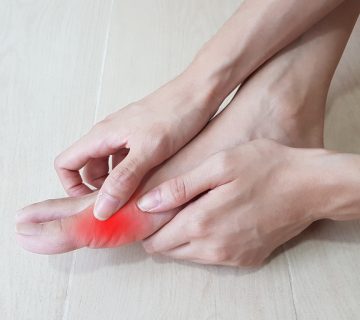
- In psoriatic arthritis, fingers and toes may become swollen (“sausage digits”), and nails may develop pitting or separate from the nail bed. Heel or sole pain may also occur.

Symptoms of Psoriatic Arthritis
Symptoms may range from mild to severe and vary among individuals. Sometimes only a few or many joints are affected, and symptoms may subside after some time. Periods of increased inflammation and worsening symptoms are called flare-ups. Flares may last days or months. In such cases, consult a rheumatologist or dermatologist specializing in psoriasis and psoriatic arthritis. Symptoms may come and go.
Skin:
Red, itchy, and painful patches with silvery-white buildup of dead skin cells; commonly on knees, elbows, and scalp, though lesions can occur anywhere on the body. These lesions are not contagious.

Joints/Spine:
Symptoms primarily occur in fingers (joints closest to nails), wrists, ankles, and knees. Symptoms like pain, heat sensitivity, and swelling may affect various body parts. This is termed peripheral arthritis. Occasionally, an entire finger swells (“sausage digit”), making bending painful and difficult—a condition called dactylitis. Pain and stiffness in the lower back/buttocks may occur. Sometimes the neck and hips are affected, referred to as spondylitis or axial arthritis.
Nails:
Cracking, pitting, white spots, and separation from the nail bed (onycholysis) may occur.
Connective Tissue:
Inflammation and swelling of one or more tissues where a tendon or ligament attaches to a bone. Common spots include: the back of the heel and the bottom of the foot.
Persistent fatigue with low-grade fever
Skin rash on knees, elbows, trunk, and scalp:
Rashes refer to changes in skin appearance—often involving redness, inflammation, itching, swelling, or blisters. In PsA, patchy rashes vary widely: from dandruff-like flaky spots to large eruptions covering extensive body areas.
- Skin Lesions with Varying Colors:
Purple with gray scales on brown or black skin.
Pink or red with silvery scales on white skin. - Small Scaly Patches (commonly seen in children).
- Dry, cracked skin that may itch, burn, or be painful and may bleed.
- Cyclic rashes that flare for weeks or months and then subside.
Causes of Psoriasis
The exact cause of psoriasis is not fully understood. It is thought to be an immune system problem where infection-fighting cells mistakenly attack healthy skin cells. Researchers believe that both genetics and environmental factors play a role. This condition is not contagious.
Complications of Psoriasis
If you have psoriasis, you are at greater risk of developing other conditions, including:
- Psoriatic arthritis, which causes pain, stiffness, and swelling in and around the joints.
- Temporary skin color changes (post-inflammatory hypopigmentation or hyperpigmentation) where plaques have healed.
- Eye diseases such as conjunctivitis, blepharitis, and uveitis.
- Obesity
- Type 2 diabetes
- High blood pressure (hypertension)
- Cardiovascular disease
- Other autoimmune diseases, such as celiac disease, multiple sclerosis, and an inflammatory bowel disease called Crohn’s disease
Diagnosis of Psoriatic Arthritis
Early diagnosis is the first crucial step in managing psoriatic arthritis. No single test can confirm psoriatic arthritis. The first symptoms that appear may determine which doctor makes the diagnosis. If skin or nail problems appear first, a dermatologist may initially diagnose the condition. If arthritis is the primary complaint, the individual might first be examined by a rheumatologist. The doctor will use medical history, physical examination, and laboratory tests for diagnosis.
Medical History Review
The doctor will discuss the time of symptom onset, frequency of symptom flare-ups and remissions, their severity, activities that improve or worsen symptoms, and whether any family members have psoriasis, psoriatic arthritis, or other autoimmune diseases.
Physical Examination
The doctor will check for joint pain, tenderness, swelling, warmth, or limited movement, as well as skin or nail changes.
Tests
The doctor may order X-rays to examine changes in bones and joints. Blood tests check for signs of inflammation, including C-reactive protein and rheumatoid factor (RF). Individuals with PsA are almost always RF-negative, so if the blood test for rheumatoid factor is positive, the doctor will suspect rheumatoid arthritis. Testing fluid around the joint can help rule out gout or infectious arthritis.
Types of Psoriatic Arthritis:
Each type of psoriatic arthritis has different symptoms and signs:
- Plaque Psoriasis: The most common type of psoriasis, plaque psoriasis causes dry, itchy, raised skin patches (plaques) covered with scales. They can be few or numerous. They usually appear on the elbows, knees, lower back, and scalp. The color of the patches varies depending on skin color. The affected skin may heal with temporary color changes (post-inflammatory hyperpigmentation), particularly on brown or Black skin.
- Nail Psoriasis: Psoriasis can affect fingernails and toenails, causing pitting, abnormal nail growth, and discoloration. Psoriatic nails may loosen and separate from the nail bed (onycholysis). Severe disease may cause the nail to crumble.
- Guttate Psoriasis: Guttate psoriasis primarily affects young adults and children. It is usually triggered by a bacterial infection such as strep throat. It is characterized by small, drop-shaped, scaling spots on the trunk, arms, or legs.
- Inverse Psoriasis: Inverse psoriasis mainly affects the skin folds of the groin, buttocks, and breasts. It causes smooth patches of inflamed skin that worsen with friction and sweating. Fungal infections may trigger this type of psoriasis.
- Pustular Psoriasis: Pustular psoriasis, a rare type, causes clearly defined, pus-filled blisters (pustules). It can occur in widespread patches or in small areas on the palms or soles.
- Erythrodermic Psoriasis: The [sic – Plaque psoriasis was stated as the most common earlier] most common type of psoriasis, erythrodermic psoriasis can cover the entire body with a peeling rash that can itch or burn intensely. It can be short-term (acute) or long-term (chronic).
Types of psoriatic arthritis
- Symmetric Psoriatic Arthritis: In this type, the same joints on both sides of the body (e.g., both knees or both ankles) are affected simultaneously.
- Asymmetric Psoriatic Arthritis: In this type, different joints in various parts of the body are affected, and the involvement is not necessarily the same on both sides.
- Distal Psoriatic Arthritis: In this type, the joints of the fingers and toes are affected, especially the distal interphalangeal joints (the joints closest to the nails).
- Psoriatic Spondylitis: In this type, in addition to the joints, the spine is also affected, causing back pain and stiffness.
Risk Factors and Triggers for Psoriatic Arthritis
Many people who are predisposed to psoriasis may remain symptom-free for years until the disease is triggered by certain environmental factors. Common triggers for psoriasis include:
- Infections such as strep throat or skin infections
- Weather, especially cold and dry conditions
- Skin injuries, such as cuts or scrapes, insect bites, or severe sunburn
- Smoking and exposure to secondhand smoke
- Heavy alcohol consumption
- Certain medications including lithium, high blood pressure medications (like beta-blockers), and antimalarial drugs
- Abrupt withdrawal of oral or injectable corticosteroids
Anyone can develop psoriasis, but factors like family history—having one or both parents with psoriasis—can increase the risk of the disease. About one-third of cases begin in childhood.
Treatments
Treatment Goals:
The goal of psoriasis treatment is to prevent the rapid growth of skin cells and remove scales. Treatment options include creams and ointments (topical therapy), light therapy (phototherapy), and oral or injectable medications. The choice of treatment depends on the severity of the psoriasis, how well it has responded to previous treatments, and self-care measures.
If inflammation in psoriatic arthritis is not controlled and treated, it can cause numerous health problems, including:
- Damage to the cartilage covering the ends of bones in a joint, making joint movement harder and potentially leading to disability.
- Redness, irritation, and vision disturbances or redness and pain in the tissues around the eye (pink eye/conjunctivitis).
- Stomach problems, diarrhea, and bloating (gastrointestinal issues).
- Shortness of breath and cough (lung problems).
- Damage to blood vessels and heart muscle.
- Weakened bones that break more easily (osteoporosis).
- Individuals with PsA may also develop metabolic syndrome, a cluster of conditions including obesity, high blood pressure, and abnormal cholesterol levels (typically high triglycerides and low HDL “good” cholesterol).
Aggressive and early treatment of psoriatic arthritis helps minimize the disease’s impact, reduce inflammation, treat skin symptoms, keep joints as mobile as possible, and improve your quality of life. Managing psoriatic arthritis can feel like treating two conditions. Since many people with PsA also have psoriasis, they may see both a dermatologist and a rheumatologist. Some treatments are effective for both diseases. Others primarily or exclusively target either skin problems or arthritis. All medications have benefits and risks.
Prescription Treatments for Psoriasis:
- Topical medications made from vitamin D, vitamin A derivatives (retinoids), salicylic acid, coal tar, or corticosteroids.
- Light therapy using sunlight or specialized ultraviolet (UV) radiation (phototherapy: UVB or PUVA).
- Medications that target the skin (topical or systemic treatments for skin symptoms).
- Medications that target the immune system (systemic biologics or oral DMARDs).
- Treatment of Psoriatic Arthritis:
Prescription Medications for Psoriatic Arthritis:
Nonsteroidal Anti-Inflammatory Drugs (NSAIDs)
Usually taken orally, although some can be applied to the skin. Common over-the-counter versions, such as ibuprofen and naproxen sodium, help reduce pain. Many prescription NSAIDs can also help reduce inflammation. Higher-dose prescription versions are also used to reduce inflammation.
Corticosteroids
Powerful anti-inflammatory drugs can be taken by mouth (orally) or injected into the joint at the doctor’s office. Regarding oral corticosteroids, doctors try to use these drugs at the lowest possible dose and for the shortest possible duration due to side effects, which can include facial swelling, bruising, weight gain, and bone weakness.
Disease-Modifying Anti-Rheumatic Drugs (DMARDs):
These are powerful medications that reduce inflammation and can prevent psoriatic arthritis from worsening. They are available as tablets, injections, or infusions. There are three types of DMARDs:
Traditional DMARDs have been used the most and have an immunosuppressive effect. The most commonly used drug is methotrexate. These drugs are usually taken orally and may take up to three months to become fully effective.
Biologics block specific chemicals or steps in the inflammatory process and typically act faster than traditional DMARDs. They are self-injected or administered via infusion at the doctor’s office.
Targeted DMARDs, like biologics, block specific steps in the inflammatory process, but these drugs are taken orally.
While DMARDs can be very effective, they suppress the immune system in many cases and increase the risk of infection.
Every individual with psoriatic arthritis has a different condition. Doctors recommend specific medications depending on factors such as the severity of the disease, the joints affected, drug allergies, the person’s health conditions, and the patient’s current medications.
Surgery
Most people with psoriatic arthritis will never need joint surgery. However, if joints are severely damaged by the disease, or if other treatments do not reduce pain, an orthopedic surgeon can help. Damaged joints are replaced with a plastic, metal, or ceramic prosthesis to reduce pain and improve function.
Exercise
Studies show that regular exercise is one of the best ways to maintain joint health, ensure smooth movement, and control weight. Low-impact exercises like walking, swimming, or cycling can reduce joint pain and stiffness. Building up muscles around painful joints helps reduce the pain. Always consult your doctor or physiotherapist before starting a new exercise program.
Rehabilitation
Physical therapy, occupational therapy, and the use of orthoses through orthopedic technical services can be effective in reducing joint pain, strengthening muscles, and improving the condition of psoriatic arthritis. To schedule an appointment in this regard, please contact the Iran Rheumatology Center.
Home Remedies and Self-Care
Protecting the skin and keeping it moisturized is beneficial in managing psoriasis. Regular use of lotions or creams containing aloe vera, jojoba, or zinc helps soften affected skin. Short, warm (not hot) baths using colloidal oatmeal, bath oils, Dead Sea salt, or Epsom salt may also soothe the skin. Make it a habit to apply moisturizers after daily showers/bathing or swimming.
Washing and Wearing Clothes Carefully
Wash clothes with fragrance-free detergents and fabric softeners to reduce the risk of skin reactions. Wear loose-fitting clothing to avoid chafing scaly skin areas. Soft natural fibers like cotton may be less irritating and cooler in warmer months.
Consuming Anti-Inflammatory Foods and Other Healthy Options
A healthy, balanced diet rich in fresh foods like fruits and vegetables, and low in sugar, fat, and salt—while avoiding unhealthy foods—helps individuals with psoriatic arthritis reduce inflammation and fatigue, improve overall health, and control their weight.
Managing Stress
Excessive stress may trigger psoriatic arthritis flare-ups and make daily activities harder to manage. Meditation, listening to calming music, walking, and exercises like yoga help reduce stress.
Use Cold and Heat Therapies
Heat improves blood circulation and helps reduce joint stiffness and muscle spasms. Cold helps reduce swelling by constricting blood vessels.
Quit Smoking and Alcohol Consumption
Smoking is harmful to human health. It’s always a good time to quit smoking. Excessive alcohol consumption can affect how medications work, increase drug side effects, or lead to weight gain.
Is Psoriatic Arthritis Different from Psoriasis?
Psoriasis is an autoimmune disorder that manifests as a chronic skin condition. It can cause the development of plaques—patches of scaly, red, or white skin. Many people with psoriasis later develop psoriatic arthritis, a condition with similar causes that leads to joint pain, stiffness, and swelling. Both plaque psoriasis and psoriatic arthritis result from an autoimmune disorder where the immune system attacks the body, causing inflammation and pain. Although psoriasis and skin symptoms typically appear before psoriatic arthritis, there are cases where arthritis develops months or even years before skin symptoms appear. Beyond the immune system connection, doctors believe there’s a link between more severe psoriasis and the development of psoriatic arthritis. Additionally, many people with psoriatic arthritis have a parent or sibling with the condition. It most commonly occurs in adults between 30 and 50 years old.
The Key Difference:
The main difference between these conditions lies in the location and lasting impact of symptoms. Even when someone experiences skin plaques from psoriasis and arthritis from psoriatic arthritis, they can occur in different areas. For example, a person may have foot joint swelling due to psoriatic arthritis but no plaques in that area. Furthermore, while psoriasis does not cause permanent scarring or damage, psoriatic arthritis can permanently damage joints, causing stiffness or deformity. For this reason, discussing symptoms and concerns with a dermatologist is extremely important to prevent lasting complications.
Resources : plymouthmeetingdermatology.com



No comment