



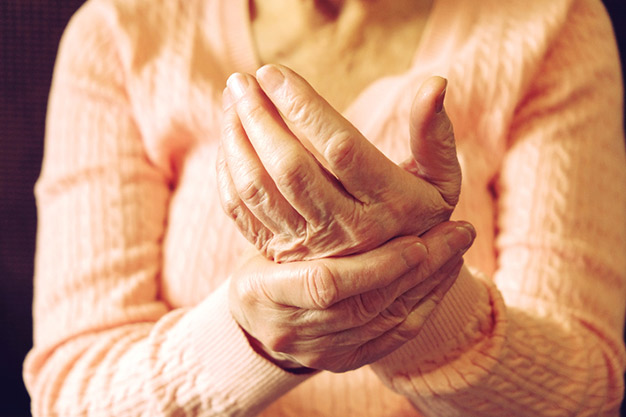
Osteoarthritis or arthrosis
Osteoarthritis is the most common form of arthritis, affecting millions of people worldwide. It occurs when the protective cartilage cushioning the ends of bones wears down over time.
Although osteoarthritis can damage any joint, the disorder most commonly affects joints in the hands, knees, hips, and spine.
Osteoarthritis and its symptoms can usually be managed, although the joint damage itself cannot be reversed. Staying active, maintaining a healthy weight, and receiving certain treatments may slow the progression of the disease and help improve joint pain and function.
Symptoms of Osteoarthritis
Osteoarthritis often develops slowly and worsens over time. Signs and symptoms of osteoarthritis include:
- Pain: Affected joints might hurt during or after movement.
- Joint stiffness: Joint stiffness might be most noticeable upon waking or after periods of inactivity.
- Tenderness: The joint may feel tender when light pressure is applied to or near it.
- Loss of flexibility: One may not be able to move the joint through its full range of motion.
- Grating sensation: People may experience a grating sensation when using the joint and might hear popping or crackling sounds.
- Bone spurs: These extra bits of bone, which feel like hard lumps, can form around the affected joint.
- Swelling: This may be caused by inflammation of the soft tissues surrounding the joint.
Causes
Osteoarthritis occurs when the cartilage covering the ends of bones in joints gradually deteriorates. Cartilage is a firm, slippery tissue that enables nearly frictionless joint movement.
Eventually, if the cartilage wears down completely, bone rubs directly on bone.
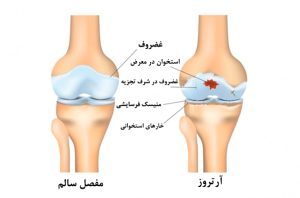
Osteoarthritis is often referred to as a wear-and-tear disease. However, beyond the breakdown of cartilage, osteoarthritis affects the entire joint. It causes changes in the bone and deterioration of the connective tissues that hold the joint together and attach muscle to bone. It also causes inflammation of the joint lining.
Risk Factors
Factors that increase the risk of developing osteoarthritis include:
- Older age: The risk of osteoarthritis increases with age.
- Sex: Women are more likely to develop osteoarthritis, although the reason is unclear.
- Obesity: Carrying extra weight contributes to osteoarthritis in several ways, and the more you weigh, the greater your risk. Excess weight adds stress to weight-bearing joints, such as your hips and knees. Additionally, fatty tissue produces proteins that can cause harmful inflammation in and around joints.
- Joint injuries: Injuries, such as those occurring during sports or accidents, increase the risk of osteoarthritis. Even injuries that happened many years ago and seemingly healed can increase your risk.
- Repetitive stress on the joint: If your job or a sport you play places repetitive stress on a joint, that joint may eventually develop osteoarthritis.
- Genetics: Some people inherit a tendency to develop osteoarthritis.
- Bone deformities: Some people are born with malformed joints or defective cartilage.
- Certain metabolic diseases: These include diabetes and a condition in which your body has too much iron (hemochromatosis).
Complications of Advanced AS
Osteoarthritis is a progressive disease that worsens over time and often leads to chronic pain. Joint pain and stiffness can become severe enough to make daily tasks difficult.
Depression and sleep disturbances can result from the pain and disability caused by osteoarthritis.
When to See a Doctor؟
If you have joint pain or stiffness that doesn’t go away, see your doctor.
Diagnosing and Treating Osteoarthritis
Diagnosis
During a physical exam to diagnose osteoarthritis, the doctor will examine the affected joint for tenderness, swelling, redness, and flexibility.
Imaging Tests
Your doctor may recommend the following to obtain images of the affected joint:
- X-rays: Cartilage doesn’t show up on X-ray images. However, loss of cartilage is revealed by a narrowing of the space between the bones in the joint. X-rays can also show bone spurs around the joint.
- MRI (Magnetic Resonance Imaging): MRI uses radio waves and a strong magnetic field to produce detailed images of bone and soft tissues, including cartilage. MRI isn’t usually needed to diagnose osteoarthritis, but it can provide additional information in complex cases.
Laboratory tests
Blood or joint fluid analysis can help confirm the diagnosis.
- Blood tests: While there is no blood test for osteoarthritis, specific tests can help rule out other causes of joint pain, such as rheumatoid arthritis.
- Joint fluid analysis: Using a needle, your doctor withdraws fluid from the affected joint. The fluid is tested for inflammation and to determine whether your pain is caused by gout or an infection rather than osteoarthritis.
Treatment of Osteoarthritis
Osteoarthritis cannot be cured, but treatments can reduce pain and help maintain joint function.

Rehabilitation
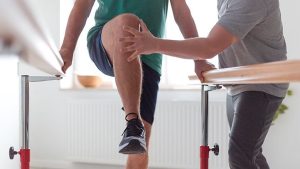
- Physiotherapy: A physiotherapist can show you exercises to strengthen the muscles around the joint, increase flexibility, and reduce pain. Regular, gentle exercise that you do yourself, such as swimming or walking, can be just as effective.
- Occupational Therapy: An occupational therapist can help you find ways to do everyday tasks without putting extra strain on your painful joint. For example, if you have arthritis in your hands, a toothbrush with a large handle makes brushing easier. A shower bench can help relieve the pain of standing for people with knee arthritis.
- Transcutaneous Electrical Nerve Stimulation (TENS): This method uses a low-voltage electrical current to relieve pain, providing short-term relief for some people with knee and hip osteoarthritis.
Surgery and Other Procedures
If non-invasive treatments don’t help, the following procedures may be considered:
- Gel Injections: Injecting gel into the joint relieves pain for a few weeks. The doctor numbs the area around the joint and injects the medication by placing a needle into the space within the joint. The number of gel injections a patient can receive in a year is usually limited to three or four, as this medication can worsen joint damage over time.
- Knee Realignment (Osteotomy): If arthritis damages one side of your knee more than the other, surgery may be helpful. In this procedure, the surgeon cuts the bone either above or below the knee and then removes or adds a piece of bone. This shifts your body weight away from the worn part of the knee.
- Joint Replacement (Arthroplasty): In joint replacement surgery, the surgeon removes the damaged joint surfaces and replaces them with plastic and metal parts.

Lifestyle and home remedies
Learn as much as you can about your condition and how to manage it, especially how lifestyle changes can affect symptoms. Exercise and weight loss (if overweight) are important ways to reduce joint pain and stiffness from arthritis.
- Exercise: Light exercise can increase endurance, strengthen the muscles around the joint, and make the joint more stable. Try walking, cycling, or water aerobics. If you feel new pain in your joints, stop exercising. New pain that lasts for hours after exercise likely means you overdid it and does not indicate serious damage. Try again in a day or two with less intensity.
- Weight Loss: Carrying extra weight increases the stress on weight-bearing joints like your knees and hips. Even modest weight loss can reduce pressure and pain. Talk to a dietitian about healthy ways to lose weight.
Other Things to Try:
- Movement Therapy (Mind-Body Practices): Tai chi and yoga involve gentle exercises, stretches, and deep breathing. Many people use these practices to reduce stress in their lives. Studies show tai chi and yoga can reduce osteoarthritis pain and improve movement. Ensure you choose a gentle form of yoga and that your instructor knows which joints are affected. Avoid movements that cause pain in your joints.
- Heat and Cold: Both heat and cold can relieve joint pain and swelling. Heat, especially moist heat, can help relax muscles and reduce pain. Cold reduces pain and muscle spasms.
- Hand/Foot Splints and Shoe Inserts: Proper shoe inserts (orthotics) and supportive footwear may help reduce pain while walking. These orthotics support the joint to take pressure off it.
- Braces and Assistive Devices: Assistive devices can help reduce stress on your joints. When walking, a cane or walker takes weight off your knee or hip. Hold the cane in the hand opposite the leg that hurts. For people with osteoarthritis in the fingers, use adaptive tools (splints/braces) for holding utensils and kitchen tasks. Visit an orthopedic appliance center or ask your doctor or therapist about assistive devices and braces.
Alternative medicine
Complementary and alternative therapies that have shown promising results for osteoarthritis include:
- Acupuncture: Some studies suggest acupuncture may relieve pain and improve function in people with knee osteoarthritis. During acupuncture, hair-thin needles are inserted into specific points on the skin.
- Avocado-Soybean Unsaponifiables (ASU): This dietary supplement is a mixture of avocado and soybean oils. Widely used in Europe to treat knee and hip osteoarthritis, it acts as an anti-inflammatory. Some studies suggest it may slow or even prevent joint damage.
- Omega-3 Fatty Acids: Omega-3s found in fatty fish and fish oil supplements may help relieve pain and improve function.
Talk to your doctor about any supplements you are considering taking.

No comment