




Rheumatoid Arthritis (RA), or Rheumatism of the Joints, is an autoimmune disease and the most common inflammatory joint disorder. Its global prevalence is reported to be approximately 1%. The disease is more common in women than men, and smoking or a positive family history increases the risk of developing it. RA affects 0.5–1% of the general population and is three times more prevalent in women than in men. Prevalence increases with age, and the gender difference in incidence diminishes in older age groups.
Topics Covered:
- What is Rheumatoid Arthritis?
- Rheumatoid Arthritis and Genetics
- Early Symptoms of Rheumatoid Arthritis
- At What Age Do People Typically Develop RA?
- Causes and Symptoms of Rheumatoid Arthritis
- Complications of Rheumatoid Arthritis
- Diagnosis and Testing
- Management and Treatment
- Surgical Treatment for Rheumatoid Arthritis
- Rheumatoid Arthritis Treatment Over the Last 3 Decades
- Mobility Exercises for Rheumatoid Arthritis
What is Rheumatoid Arthritis?
Rheumatoid Arthritis (RA) is a type of arthritis in which your immune system attacks the tissue lining the joints on both sides of the body. It most commonly affects joints in the fingers, hands, wrists, knees, ankles, feet, and toes. RA typically occurs symmetrically (in the same joints on both sides), distinguishing it from other forms of arthritis. Treatment options include lifestyle modifications, physiotherapy/physical therapy, occupational therapy, nutritional therapy, medication, and surgery.
Uncontrolled inflammation damages cartilage. Over time, this can deform your joints and eventually erode the bone. Specific cells in your immune system (the body’s infection-fighting system) drive this process. These substances are produced in your joints but also circulate throughout your body, causing systemic symptoms.
Besides affecting joints, rheumatoid arthritis sometimes impacts other parts of the body, including:
- Skin
- Eyes
- Mouth
- Lungs
- Heart
Rheumatoid Arthritis and Genetics
Scientists have studied numerous genes as potential risk factors for RA. Specific genetic changes and non-genetic factors contribute to the risk of developing rheumatoid arthritis. Non-genetic factors include gender and exposure to irritants and pollutants. Individuals born with variations in HLA (Human Leukocyte Antigen) class II genes are more likely to develop rheumatoid arthritis. HLA genes help your immune system distinguish between proteins your body produces and invasive proteins (e.g., viruses and bacteria).
Disease onset is most common during the fourth and fifth decades of life (ages 30–60), with 80% of all patients diagnosed between ages 35–50. Family studies indicate a genetic predisposition—for example, first-degree relatives of patients with rheumatoid factor (RF) or latex test-positive RA have a 4-fold higher risk of developing severe rheumatoid arthritis. Approximately 10% of RA patients have an affected first-degree relative.
Early Symptoms of Rheumatoid Arthritis
As an autoimmune disease, rheumatoid arthritis often begins with vague early symptoms that many people overlook. Key early signs include:
Pain and swelling in small joints (e.g., fingers)
Morning joint stiffness lasting >30 minutes
Chronic fatigue
Low-grade fever
According to the American College of Rheumatology, 70% of patients experience intermittent pain in ankles or knees during early stages. Early detection can prevent progression to severe phases like cartilage damage.
When Do People Typically Develop RA?
Rheumatoid arthritis usually develops between ages 30 and 60, though it can affect anyone.
Young-Onset RA (YORA): Occurs in adolescents and young adults (typically ages 16–40).
Late-Onset RA (LORA): Refers to symptom onset after age 60.
What Are the Main Causes and Symptoms of Rheumatoid Arthritis?
The exact cause of rheumatoid arthritis (RA) remains unknown. Primary symptoms include pain, swelling, and morning stiffness in joints, especially the hands, though early symptoms may be non-specific, often delaying diagnosis. Morning joint stiffness lasting at least 30 minutes is a common and diagnostic hallmark of RA.
The most commonly affected joints are small joints of the hands and feet, knees, elbows, and shoulders. Note: Lumbar spine involvement is NOT a symptom of RA.
Key Symptoms of Rheumatoid Arthritis:
- Morning stiffness and stiffness after prolonged sitting
- Joint swelling
- Joint pain
- Weakness and fatigue
- Rheumatoid nodules (in advanced/chronic cases)
- Severe fatigue (exhaustion)
- Weakness
- Low-grade fever
- Pain and stiffness in the same joints on both sides of the body
Joint involvement may initially be asymmetrical, but it typically becomes symmetrical over time, especially if treatment is not initiated.
Extra-articular Manifestations in Chronic/Untreated RA:
In prolonged (particularly untreated) cases, extra-articular manifestations may occur. The most significant include:
Rheumatoid nodules (subcutaneous lumps)
Lung involvement (e.g., pulmonary fibrosis)
Other extra-articular manifestations include:
Ocular involvement
Cardiovascular disease
Felty’s syndrome (triad of RA + enlarged spleen + low white blood cells)
Critical Note: Due to RA’s inflammatory nature, uncontrolled disease significantly increases cardiovascular risks, including coronary artery occlusion.
RA affects individuals differently:
In some, symptoms develop gradually over years.
In others, symptoms progress rapidly.
Many experience alternating periods of:
Flare-ups (active symptoms)
Remission (symptom-free intervals)
Who is at Risk for Rheumatoid Arthritis?
Several risk factors increase susceptibility to rheumatoid arthritis (RA), including:
-
- Biological family history: Higher risk if a first-degree relative has RA.
- Gender: Women are disproportionately affected (3:1 ratio).
- Smoking
- Obesity
Complications of Untreated RA?
Without intervention, RA may cause:
- Joint damage/deformity: Cartilage erosion and bone destruction.
- Increased viral infections: Due to immune dysfunction.
- Dry eyes/mouth: Often indicates secondary Sjögren’s syndrome.
- Carpal tunnel syndrome
- Heart disease
- Interstitial lung disease
- Lymphoma: Slightly elevated risk with chronic inflammation.
- Osteoporosis:
RA increases the risk of osteoporosis and osteoporotic fractures due to:
Disease mechanisms: Joint pain and swelling → reduced mobility → accelerated bone loss.
Corticosteroid use: Long-term glucocorticoid therapy directly reduces bone mineral density.
Modern mitigation: Biologic DMARDs (e.g., TNF-α inhibitors) often enable steroid dose reduction or discontinuation, lowering this risk.
Essential preventive measures for all RA patients:
Weight-bearing exercise
Adequate calcium intake (1,000–1,200 mg/day)
Vitamin D supplementation (800–1,000 IU/day)
RA diagnosis may be delayed up to 9 months due to:
Non-specific early symptoms (e.g., fatigue, low-grade fever)
Absence of a single definitive diagnostic test
Diagnostic approach:
Clinical history + physical examination (foundation)
Supported by:
Non-specific tests: CRP, ESR
RA-specific antibodies: RF, anti-CCP
Imaging: Ultrasound (synovitis detection), X-rays (late erosions)
Diagnosis and Testing
To diagnose rheumatoid arthritis (RA), your doctor may refer you to a physician specializing in arthritis (a rheumatologist). Rheumatologists diagnose people with RA based on a combination of various factors. This involves ordering the following tests after a physical examination and a review of your medical history and symptoms:
1-Blood test:
Blood tests look for inflammation and blood proteins (antibodies) that are signs of rheumatoid arthritis. These may include:
- Erythrocyte sedimentation rate (ESR or “sedimentation rate”)
- C-reactive protein (CRP)
- Rheumatoid factor (RF) antibodies
- Cyclic citrullinated peptide (CCP) antibodies
2. Imaging tests:
Your rheumatologist may order imaging tests to check for signs of joint erosion. Rheumatoid arthritis can cause wear at the ends of your bones within your joints. Imaging tests include the following:
- X-ray photography
- Ultrasound
- Magnetic resonance imaging (MRI) scan
In some cases, your doctor may want to observe how you perform over time before making a definitive diagnosis of RA.
Management and Treatment
The most important goals of rheumatoid arthritis treatment are pain relief, inflammation reduction, protection of joint structures, preservation of function, and control of systemic involvement. Managing joint inflammation reduces your pain and improves your quality of life. Rheumatoid arthritis treatments typically involve one or more types of medication. In specific cases, your doctor may recommend surgery. Your doctor will consider your age, health, medical history, and symptom severity when deciding on treatment.
Rheumatoid Arthritis Medication
Early treatment with specific medications can improve your long-term outcome. A combination of drugs may be more effective than single-drug therapy and appears to be equally safe. The safest rheumatoid arthritis medication for you is the one that provides the most benefit with the fewest side effects. This varies depending on your health history and the severity of your RA symptoms.
Many medications exist to reduce joint pain, swelling, and inflammation, as well as to prevent or slow the disease. Medications that treat rheumatoid arthritis include:
- Disease-modifying antirheumatic drugs (DMARDs)
- Nonsteroidal anti-inflammatory drugs (NSAIDs)
- Corticosteroids
- Janus kinase (JAK) inhibitors
- Biological drugs
The medications used for this condition vary based on disease severity and the patient’s clinical condition, and include: hydroxychloroquine, methotrexate, sulfasalazine, leflunomide, prednisolone, biological agents (anti-TNF and rituximab), and JAK inhibitors (tofacitinib). The introduction of biological agents has led to a major advancement in treatment and the disease course.
Treating RA with surgery
Surgery can be an option to restore function to severely damaged joints. Your doctor may also recommend surgery if your pain is not controlled with medication. Surgeries that treat rheumatoid arthritis include:
- Knee replacement
- Hip replacement
- Other surgeries to correct deformities
Rheumatoid Arthritis Treatment Over the Last 3 Decades
It is now well-established that if an individual with early clinical and serological symptoms of rheumatoid arthritis (RA) in recent decades gains access to appropriate and timely rheumatologic care, the course and outcome of this disease can be significantly improved. Access to multiple pharmacological and non-pharmacological interventions, coupled with timely management strategies like treat-to-target, has enabled a substantial number of RA patients to achieve remission or low disease activity in the early stages of their disease. This has led to a reduction in the accumulation of irreversible joint damage and functional loss, which were the hallmark features of this disease just three decades ago. Rheumatologists whose practice spans this period can all attest to this remarkable progress, although a significant minority of patients with treatment-refractory RA continue to experience adverse outcomes.
Over the past three decades, remarkable advances have been achieved in the treatment of RA, leading to improved quality of life for many patients.
1990s:
During this decade, RA treatment primarily focused on non-steroidal anti-inflammatory drugs (NSAIDs) and corticosteroids. These medications could help reduce pain and inflammation, but they could not prevent disease progression.
2000s:
In this decade, disease-modifying antirheumatic drugs (DMARDs) came into wider use. These drugs could help slow the progression of the disease and joint damage. Methotrexate was one of the most commonly used DMARDs during this period.
2010s:
In this decade, biologic therapies entered the market. These drugs work by targeting specific parts of the immune system involved in RA. TNF inhibitors were among the first types of biologic drugs used to treat RA.
2020s:
In this decade, newer types of biologic drugs and DMARDs have come to market, which can help improve RA treatment outcomes.
Mobility Exercises for Rheumatoid Arthritis
Stretching and range-of-motion exercises can help improve the mobility and flexibility of your joints. To increase your range of motion, move the joint as far as it can go and then gently try to push it a little further. Below are four movement exercises you can gently perform anytime at home, even when your joints are painful.
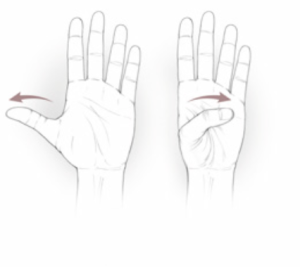
Hand
Open your hand, keeping your fingers straight. Bend the middle joints of your fingers. Then, bring your fingertips to the top of your palm. Open your hand again. Repeat 10 times with each hand.
Next, stretch your thumb across your hand to reach the base of your little finger. Stretch your thumb back again. Repeat 10 times.

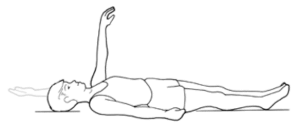
Shoulder
Lie on your back with your arms at your sides. Slowly raise one arm overhead, keeping your arm alongside your ear and your elbow straight. Return your arm to your side. Repeat 10 times with the other arm.
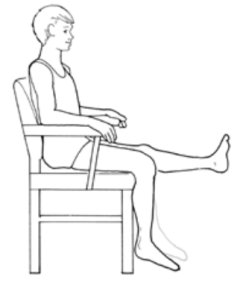
knee
Sit in a chair tall enough to allow your legs to swing freely. Keep your thighs supported on the chair and straighten one leg. Hold for a few seconds. Then bend your knee and move your foot back as far as possible. Repeat 10 times with the other leg.
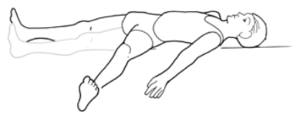
Pelvis
Lie on your back with your legs straight and approximately 15 cm (6 inches) apart. Point your toes toward the ceiling. Slide one leg outward and then return it to the starting position. Try to keep your toes pointed upward throughout. Repeat 10 times with each leg.
last word of the Iranian Rheumatism Center
Although there is currently no cure for rheumatoid arthritis, there are many effective methods to reduce pain and inflammation and slow the progression of the disease. As we know, early diagnosis and effective treatment are crucial. If you do not seek medical treatment for RA, the disease can cause permanent damage to your cartilage and eventually your joints. Therefore, regular checkups with your doctor, monitoring symptoms, maintaining healthy eating habits, engaging in daily physical activity, and quitting tobacco are all critically important for managing the condition.
Questions you should ask your doctor include:
- Do I have RA or another type of arthritis?
- What medications do you recommend for me?
- What are the side effects of the medications?
- What can I do to prevent rheumatoid arthritis flare-ups?
- Do I need surgery?
- Will I pass RA on to my children?
Resources:
my.clevelandclinic.org
health.harvard.edu
jrheum.org
Dr. Mehdi Vojdanian – Rheumatology Specialist



No comment