



Physiotherapy
Physiotherapy is a therapeutic approach that utilizes exercise, manual techniques, and physical modalities to improve mobility, reduce pain, and support rehabilitation following injury or illness. At the Iran Rheumatism Center, physiotherapy employs mechanical equipment, electrical currents, manual manipulation, therapeutic exercises, and other physical agents to treat neuromuscular-skeletal disorders and diseases.
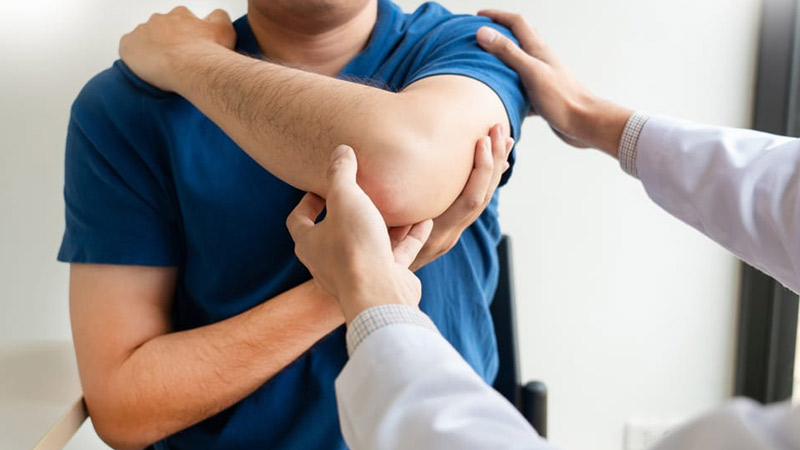

Physiotherapy for Rheumatoid Arthritis: Improving Mobility and Reducing Pain Through Non-Invasive Methods
Physiotherapy is one of the most effective methods for managing rheumatoid arthritis, helping reduce pain, improve joint function, and prevent disease-induced deformities. Through tailored therapeutic exercises, physiotherapists strengthen periarticular muscles, enhance range of motion, and mitigate chronic inflammation. Techniques like stretching/strengthening exercises, electrotherapy, hydrotherapy, and therapeutic massage restore flexibility and improve patients’ quality of life. This non-invasive approach, combined with rheumatologic medications, slows disease progression and reduces dependence on analgesics. For rheumatoid arthritis, physiotherapy not only addresses symptoms but also prevents disease recurrence through customized exercise programs.
Osteoporosis Treatment with Physiotherapy: Strengthening Bones
As a safe, non-pharmacological intervention, physiotherapy plays a vital role in osteoporosis management. Under expert guidance, weight-bearing exercises (e.g., walking), resistance training with elastic bands, and balance exercises increase bone density, improve muscle strength, and reduce fracture risk. This approach alleviates pain while stimulating osteoblasts to slow bone loss. Complementary techniques like electrotherapy and laser therapy reduce inflammation and accelerate healing. Combining physiotherapy with calcium/vitamin D-rich nutrition maximizes therapeutic outcomes. Osteoporosis physiotherapy not only enhances patients’ quality of life but prevents long-term complications.

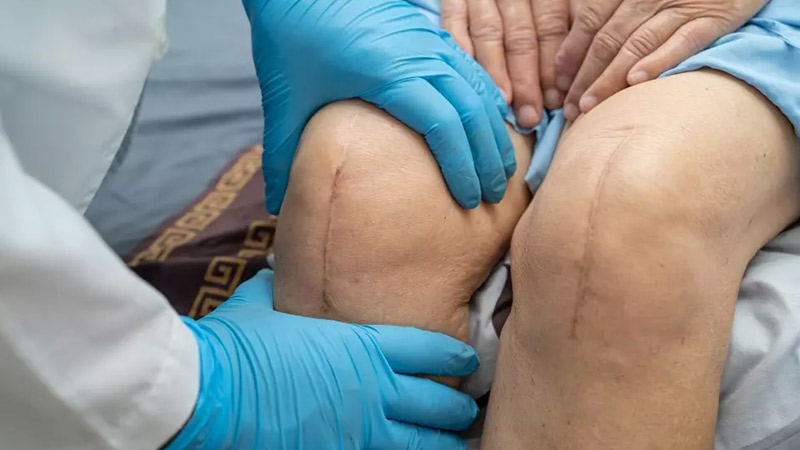
Physiotherapy After Joint Replacement Surgery in Osteoarthritis: Restoring Natural Movement
Postoperative physiotherapy following joint replacement surgery for osteoarthritis is critical for recovery, helping patients regain mobility, reduce pain, and prevent complications like blood clots or joint stiffness. Through strength/flexibility exercises, hydrotherapy, electrotherapy, and manual techniques, physiotherapists strengthen muscles around prosthetic joints, improve range of motion, and accelerate rehabilitation. Customized treatment plans ensure optimal results in minimal time. This intervention not only improves life quality but prevents future injuries by enhancing physical endurance.
Frequently Asked Questions About Physiotherapy
Physiotherapy focuses on reducing pain, improving joint range of motion, strengthening periarticular muscles, and enhancing flexibility. It also prevents further joint degeneration through movement education and improves patients’ quality of life.
During acute phases (severe pain/inflammation), gentle methods are used:
• Low-intensity electrotherapy
• Heat therapy
• Light massage
Avoidance of aggressive movements or direct pressure on inflamed joints is essential.
- • Range-of-motion exercises (non-weight-bearing)
- • Low-resistance strengthening (elastic bands/light weights)
- • Aquatic therapy (reduces joint stress)
- • Balance training (prevents falls in joint instability)
No. Physiotherapy complements pharmacological treatment by controlling symptoms and improving function, but rheumatic diseases typically require anti-inflammatories or immune modulators. Collaboration between physiotherapists and rheumatologists is crucial.
Initial improvements (reduced pain/stiffness) may appear in 2-4 weeks, but sustained progress requires consistent sessions and home exercises. Disease progression and patient compliance significantly influence outcomes.
Exercises are customized to avoid severe pain. Mild muscular discomfort after initial sessions is normal. Report intensified pain/inflammation immediately to your physiotherapist.
- Learn simple, safe movements from your physiotherapist (e.g., finger rotations)
- Avoid high-impact or rapid motions
- Use assistive devices (supportive cushions/canes) as recommended
Yes. By strengthening periarticular muscles and maintaining joint mobility, it helps prevent deformities (e.g., finger deviation in RA). Custom splints may be incorporated.
Yes, but programs require heightened caution:
• Avoid excessive joint stress
• Prioritize balance training and gait education to prevent falls
Gentle massage by specialists may reduce pain/muscle stiffness. Contraindicated during active joint inflammation. Always consult your physiotherapist/rheumatologist first.
Potential causes:
• Excessive exercise intensity
• Incorrect technique
Never endure severe pain – immediately adjust exercises with your physiotherapist.
Beyond joints, physiotherapy:
• Improves blood circulation
• Reduces muscular stiffness
• Addresses fatigue through energy conservation techniques in daily activities.